
Teeth Alignment Types
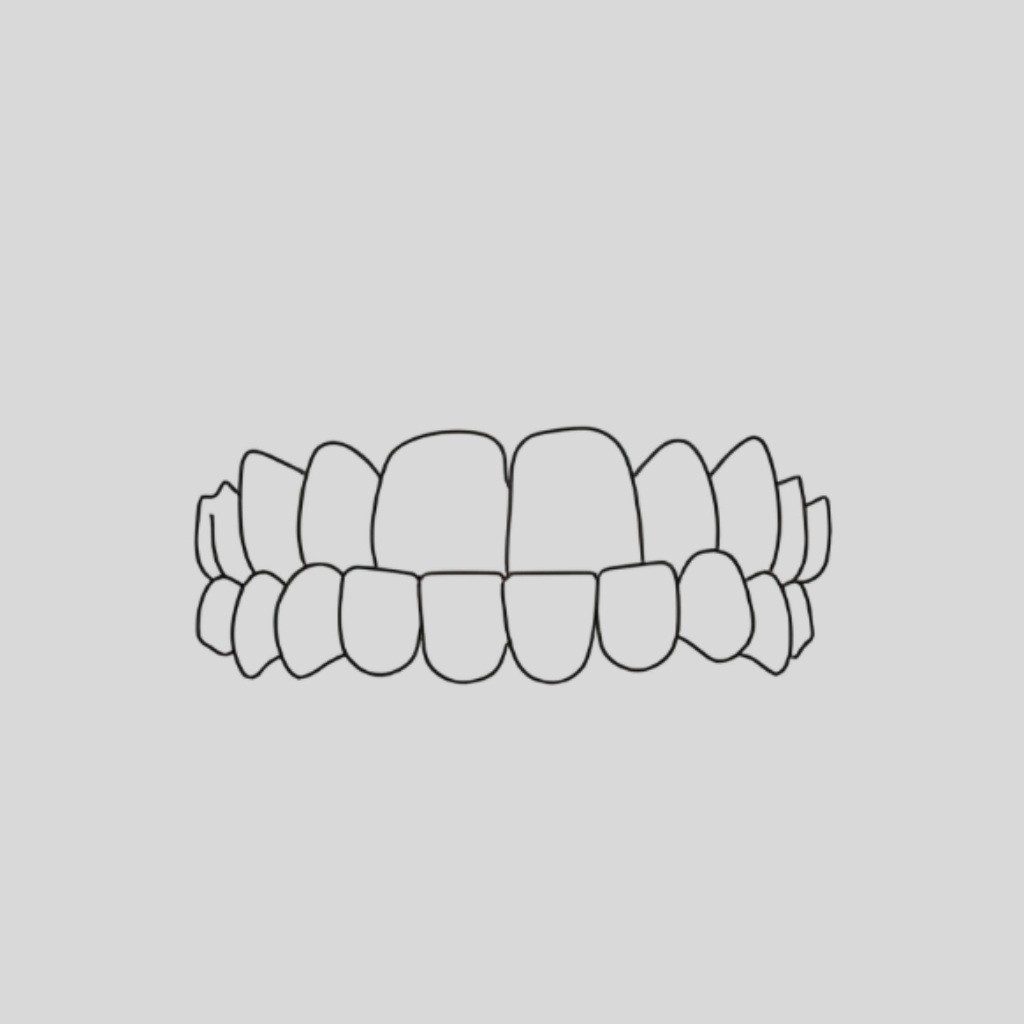
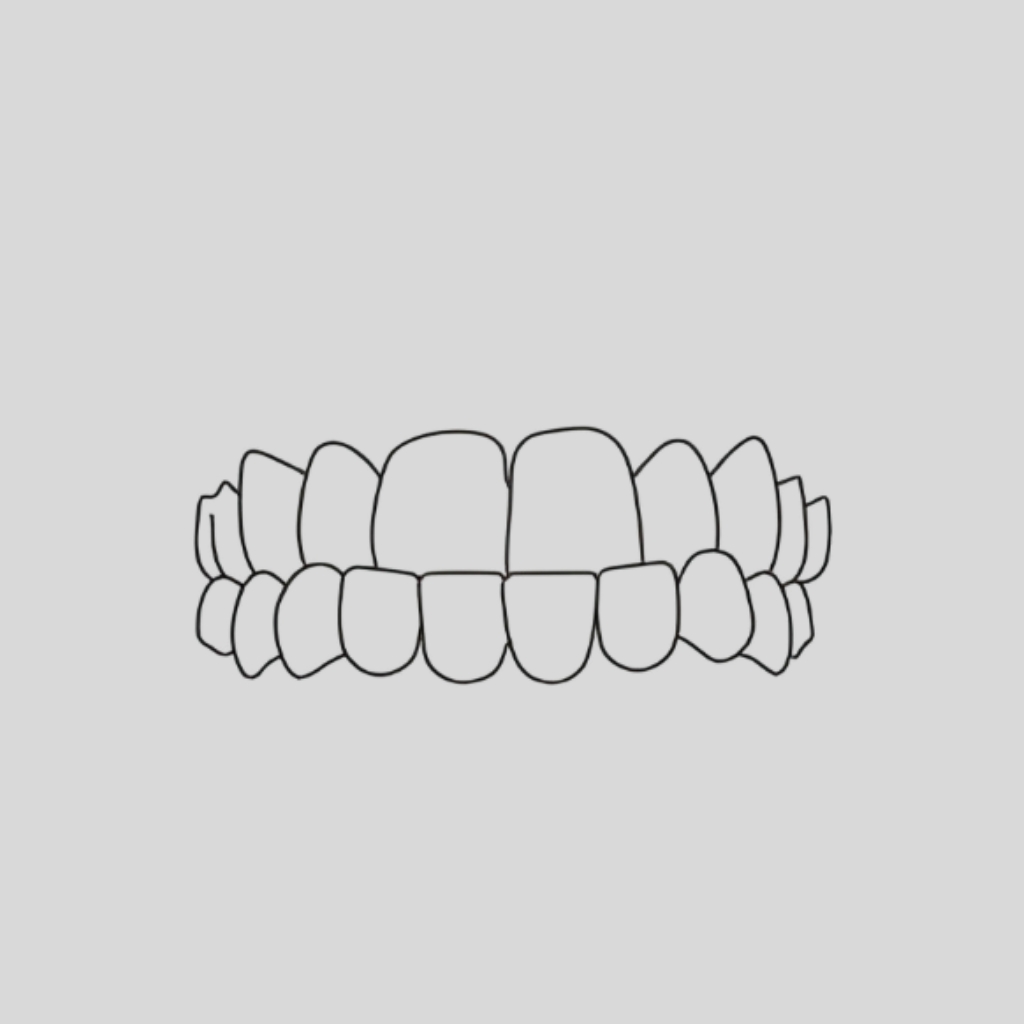
Under Bite
An underbite is a type of dental misalignment where the lower teeth extend past the upper teeth when the mouth is closed, causing the lower jaw to sit forward. This condition, also known as Class III malocclusion, can affect both appearance and oral health. People with an underbite may experience challenges such as difficulty chewing or biting, speech problems, uneven tooth wear, jaw discomfort, and even self-consciousness about their smile.
Over time, aligners guide the lower and upper arches to achieve better harmony, improving both the bite and overall facial balance. The result is not only a properly aligned smile but also enhanced function, comfort, and confidence — all achieved without wires or brackets, and often with faster, more predictable outcomes when guided by expert orthodontic planning.
Over Bite
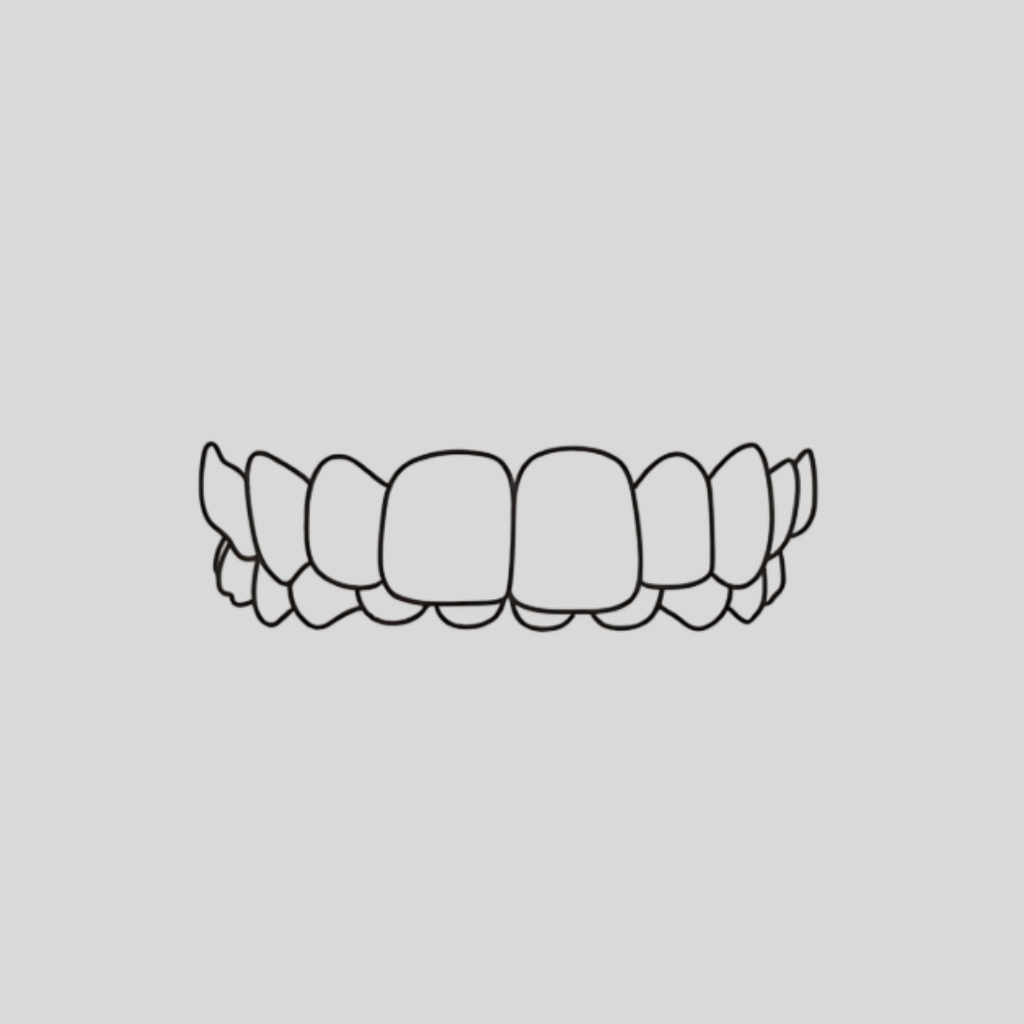
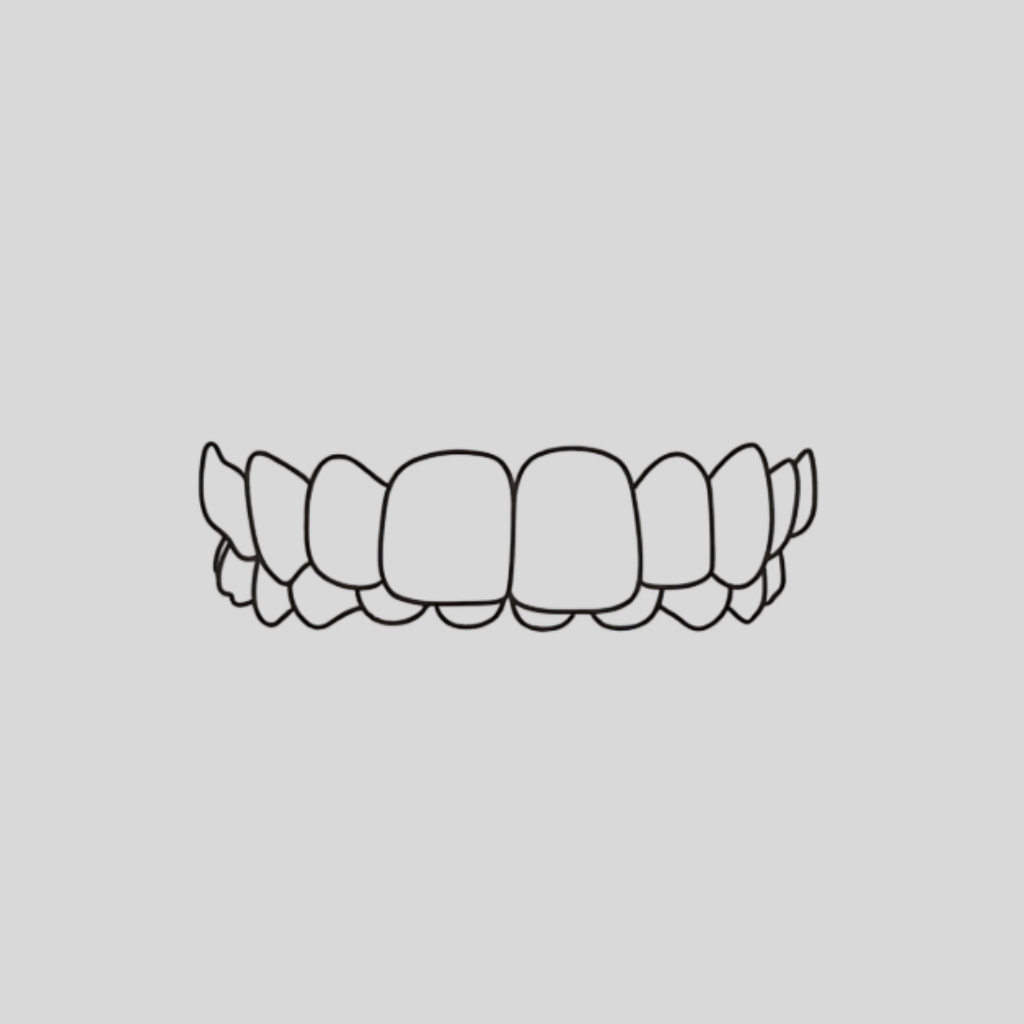
An overbite is a common dental condition where the upper front teeth overlap significantly over the lower front teeth when the mouth is closed. A small overbite is normal, but when the overlap is too deep, it can cause several issues such as difficulty biting or chewing, speech problems, jaw pain, enamel wear, and even changes in facial appearance. Severe overbites may also lead to gum irritation or damage to the lower teeth.
The treatment is comfortable, discreet, and removable, making it easier to maintain daily oral hygiene and eat without restrictions. Clear aligners not only improve dental alignment but also enhance facial symmetry and smile aesthetics. When monitored by an experienced orthodontic professional, aligner therapy can deliver precise, predictable results — giving patients a healthier, more confident smile without the inconvenience or visibility of traditional braces.
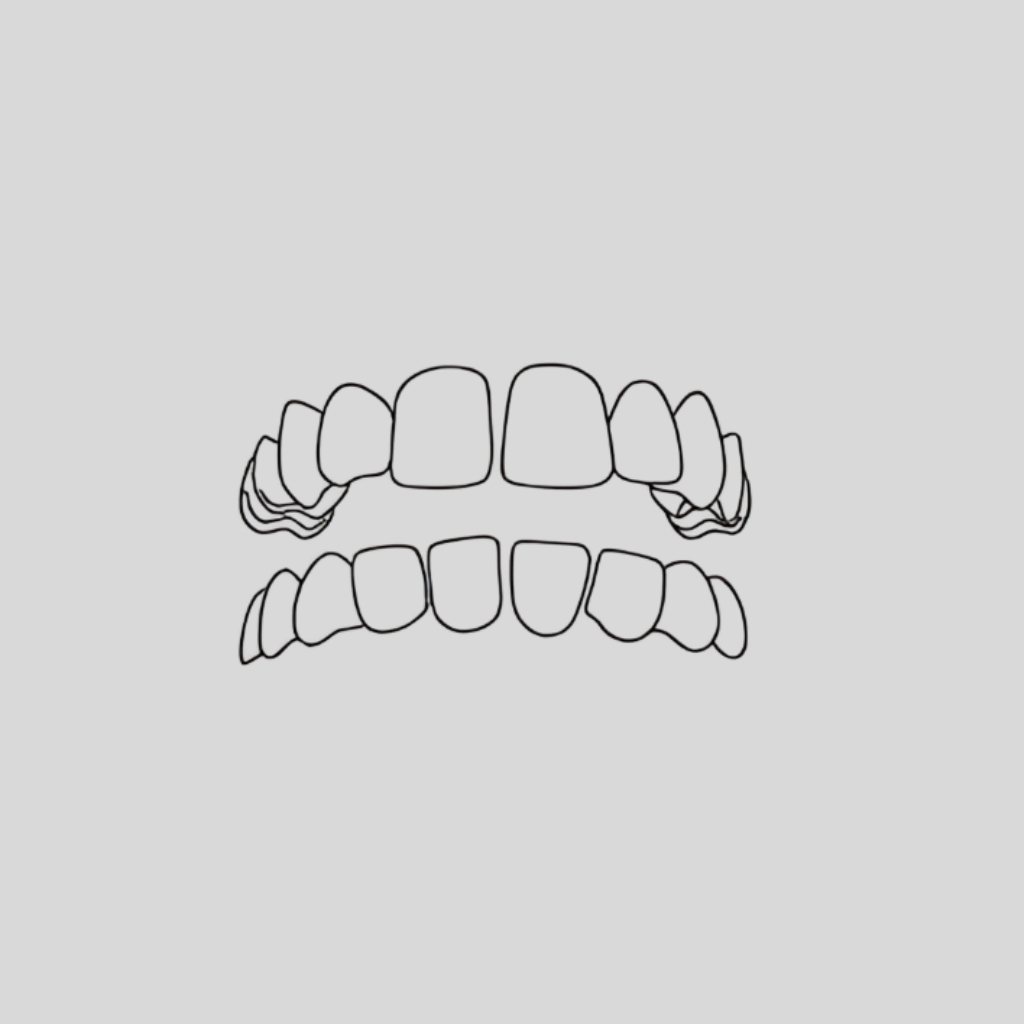
Gap teeth
Cross Bite
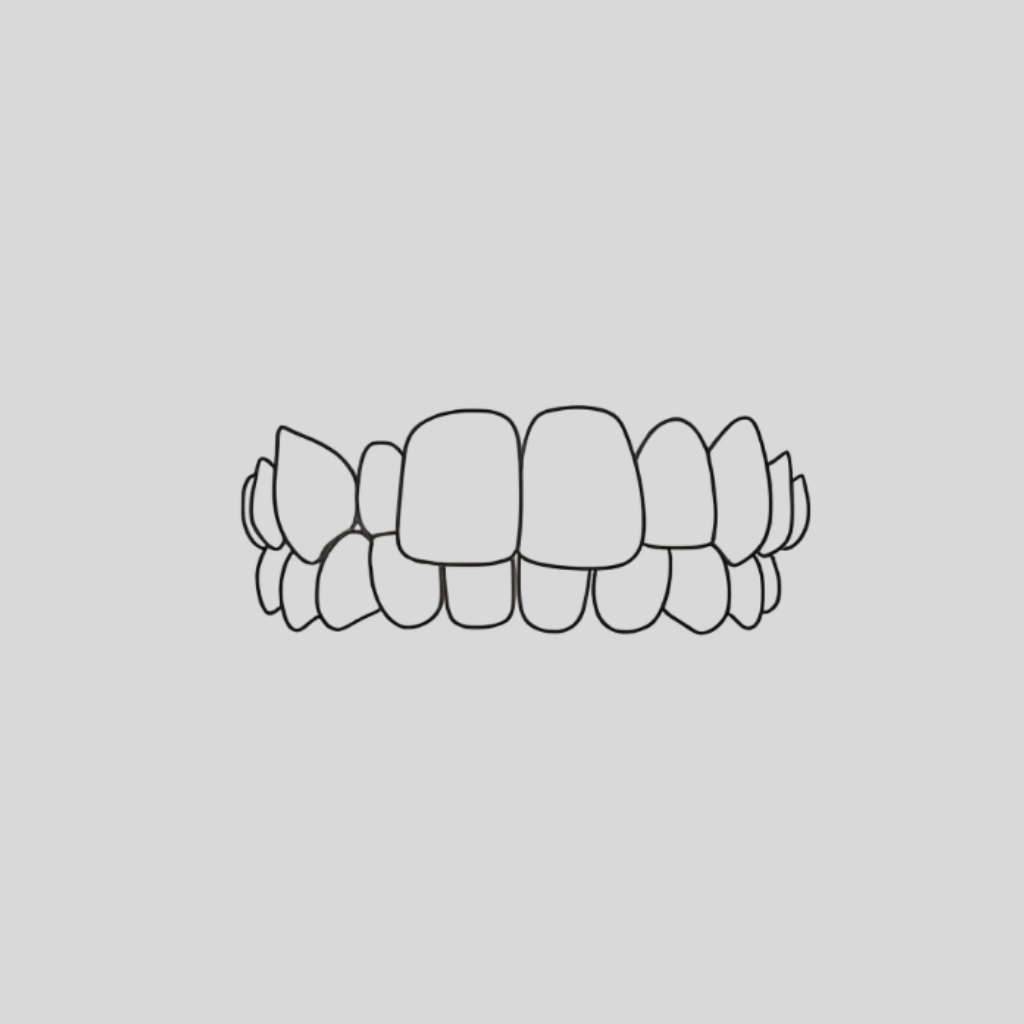
A crossbite is a type of dental misalignment where some upper teeth sit inside the lower teeth when biting down, instead of fitting slightly outside as they normally should. This condition can affect the front teeth (anterior crossbite), back teeth (posterior crossbite), or both. Crossbites can result from jaw growth discrepancies, genetics, prolonged childhood habits like thumb sucking, or early loss of baby teeth. If left untreated, they may cause uneven tooth wear, gum recession, jaw pain, and even asymmetrical facial growth.
Clear aligners provide a highly effective and discreet way to correct mild to moderate crossbites. These transparent trays apply controlled and gentle pressure to move the misaligned teeth into their proper positions. By guiding both the upper and lower arches into better alignment, aligners help improve bite function, comfort, and aesthetics over time.
Over Bite
An overbite is a common dental condition where the upper front teeth overlap significantly over the lower front teeth when the mouth is closed. A small overbite is normal, but when the overlap is too deep, it can cause several issues such as difficulty biting or chewing, speech problems, jaw pain, enamel wear, and even changes in facial appearance. Severe overbites may also lead to gum irritation or damage to the lower teeth.
The treatment is comfortable, discreet, and removable, making it easier to maintain daily oral hygiene and eat without restrictions. Clear aligners not only improve dental alignment but also enhance facial symmetry and smile aesthetics. When monitored by an experienced orthodontic professional, aligner therapy can deliver precise, predictable results — giving patients a healthier, more confident smile without the inconvenience or visibility of traditional braces.
Open Bite
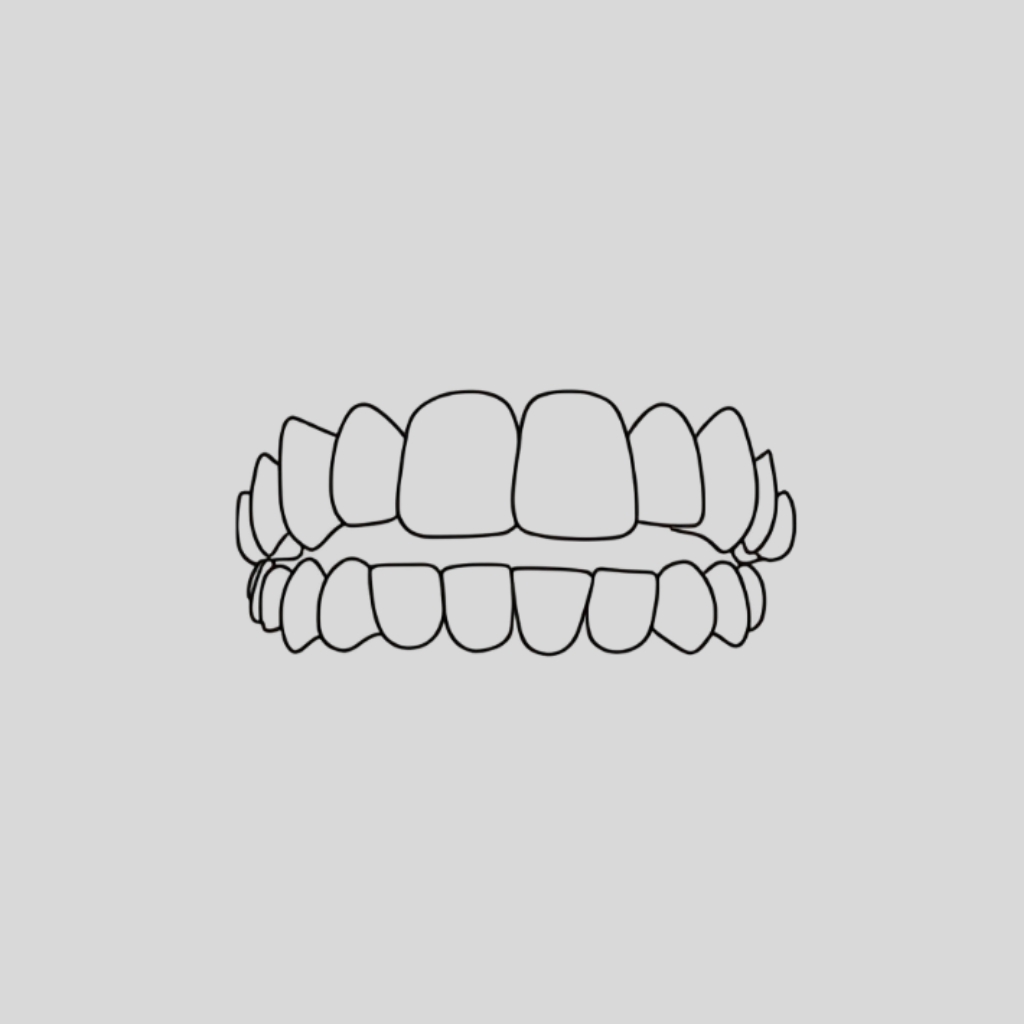
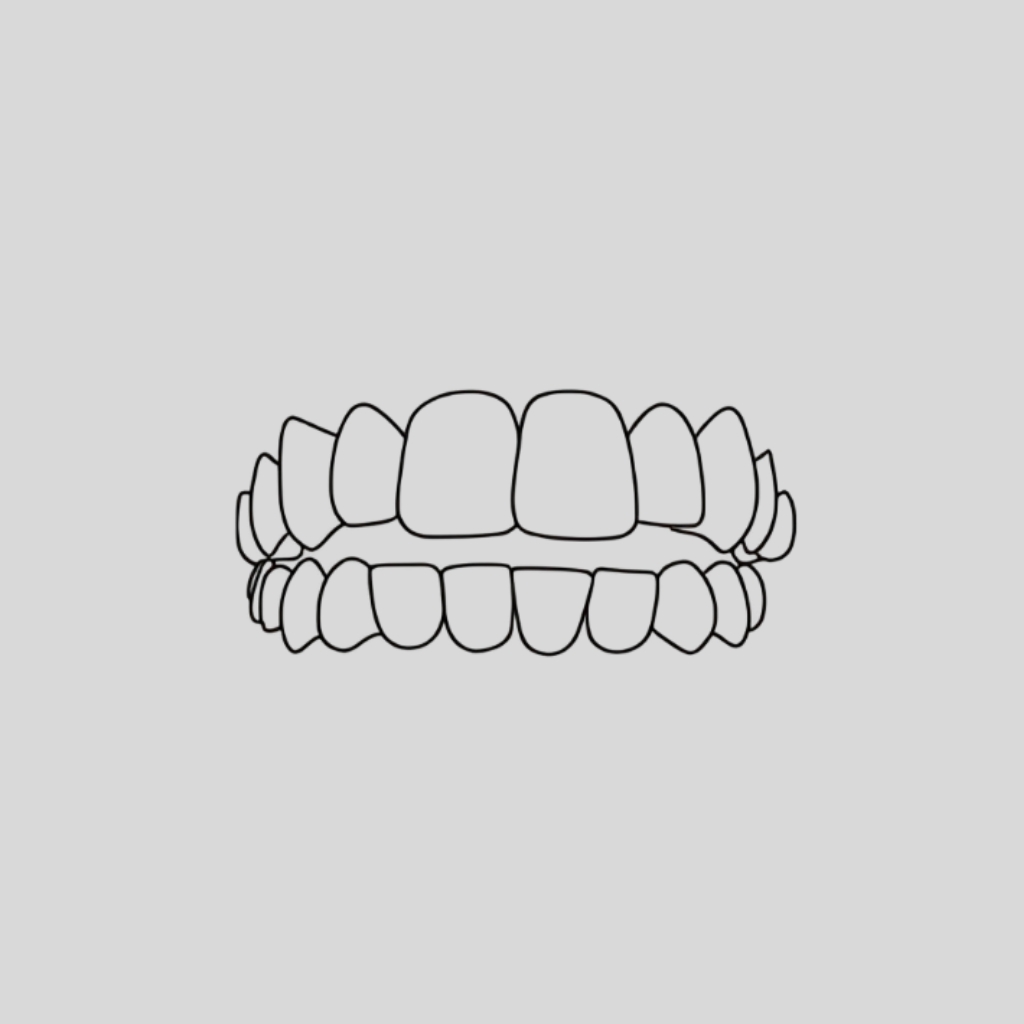
An open bite is a dental condition where the upper and lower teeth do not touch when the mouth is closed, leaving a visible gap between them. This can occur in the front teeth (anterior open bite) or the back teeth (posterior open bite). Common causes include thumb sucking, tongue thrusting, prolonged pacifier use, or skeletal growth issues. An open bite can make it difficult to bite or chew food properly, affect speech clarity, and impact facial aesthetics by altering the natural smile line.
Clear aligners are an effective and modern way to correct mild to moderate open bites. These custom-made, transparent trays are designed using advanced digital technology to apply gentle, controlled pressure that gradually moves the teeth into proper alignment. Aligners help close the gap between the upper and lower teeth by guiding them into optimal positions and improving bite function.
Crooked Teeth
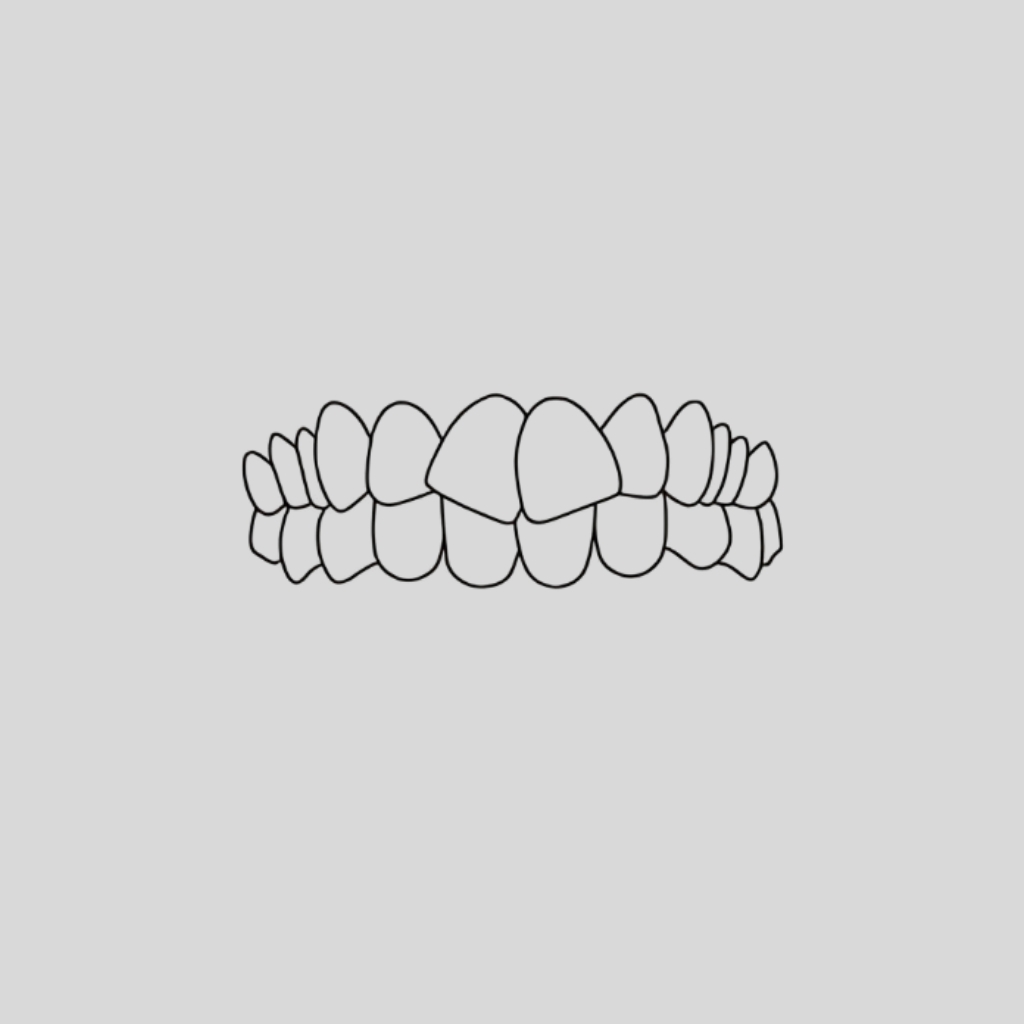
Crooked teeth refer to teeth that are misaligned, twisted, or positioned irregularly in the mouth. This condition can result from genetics, early loss of baby teeth, crowding due to limited jaw space, thumb sucking, or improper eruption of permanent teeth. Crooked teeth not only affect the appearance of a smile but can also lead to difficulty in cleaning, increased risk of cavities or gum disease, uneven wear on teeth, and even jaw discomfort over time.
Clear aligners offer a comfortable, aesthetic, and effective solution for straightening crooked teeth. Using advanced 3D digital scans, a series of custom-made, transparent trays are created to fit snugly over the teeth. Each set of aligners applies gentle, consistent pressure to gradually shift the teeth into their correct positions. Over the course of treatment, teeth become properly aligned, creating a balanced and harmonious smile.
Mixed baby Teeth
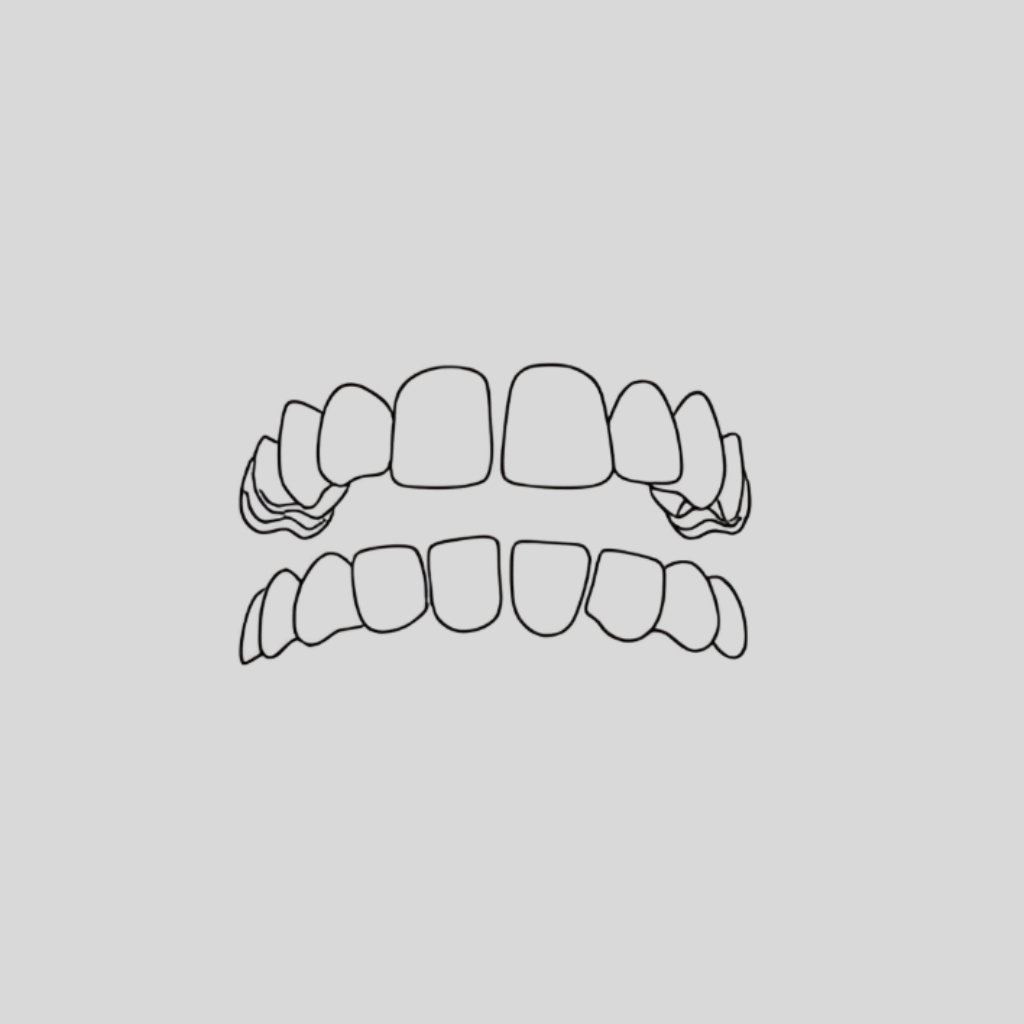
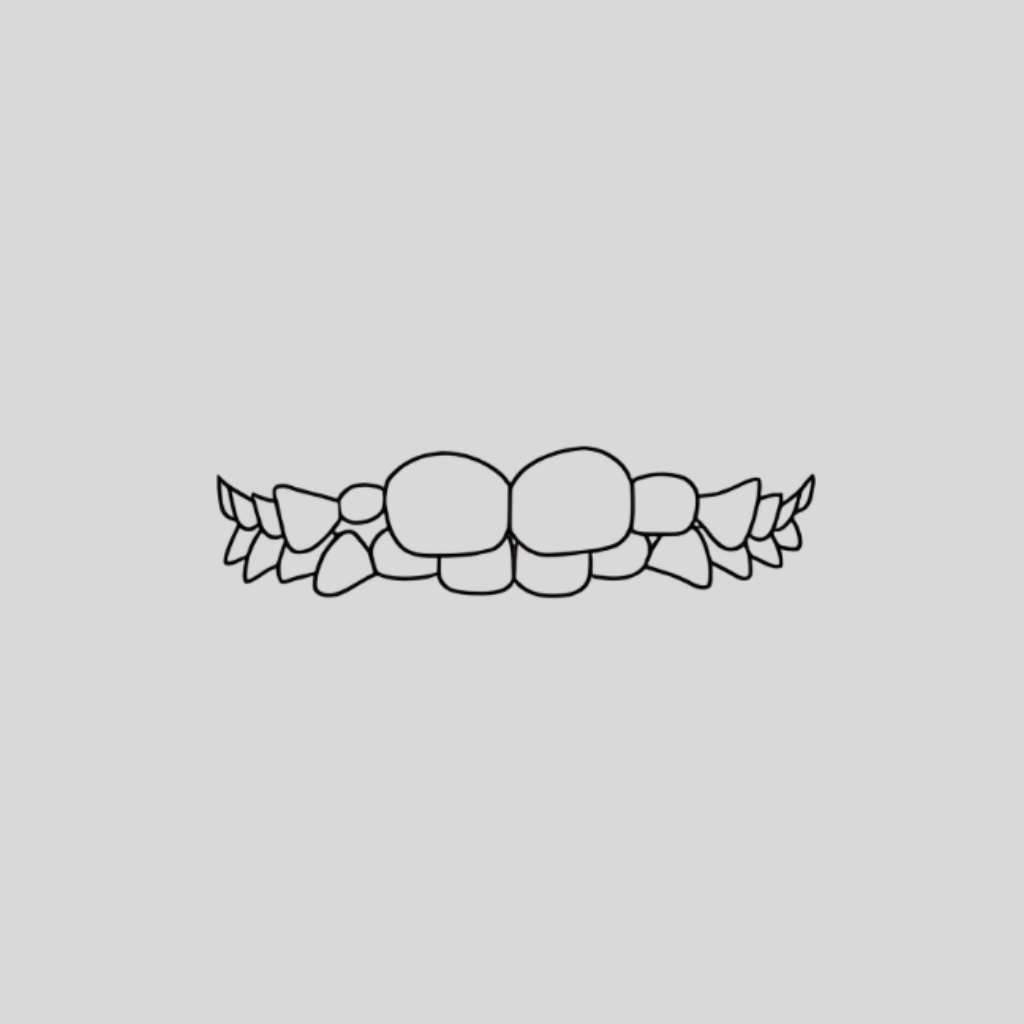
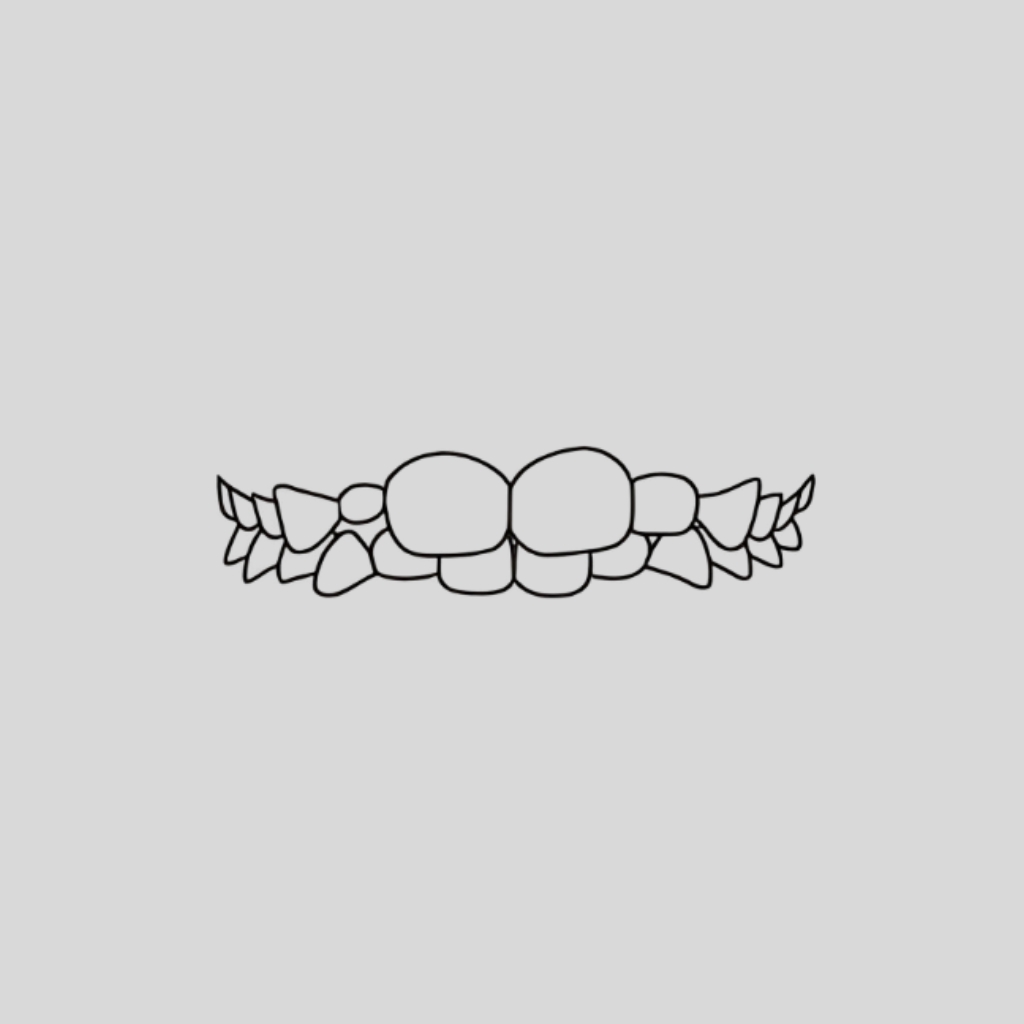
Mixed dentition, often called mixed baby teeth, refers to the stage when a child has both primary (baby) teeth and permanent (adult) teeth in their mouth. This phase usually occurs between the ages of 6 and 12. During this time, some baby teeth begin to fall out while permanent teeth erupt, leading to temporary spacing, crowding, or misalignment. Mixed dentition is a natural part of dental development, but if teeth erupt in the wrong position or there is insufficient space, it can result in crooked teeth, bite issues, or gaps that may affect chewing, speech, and overall oral health.In some cases, clear aligners can be used for children or adolescents to guide the proper alignment of teeth even during the mixed dentition phase. Customized aligners gently apply pressure to move permanent teeth into their correct positions while allowing baby teeth to naturally fall out. This method can prevent severe crowding, correct minor bite issues, and create a more harmonious dental arch as the child grows.
Generally Straight
Generally straight teeth refer to teeth that are naturally well-aligned with minimal crowding, spacing, or bite issues. People with generally straight teeth often have an aesthetically pleasing smile and experience fewer problems with chewing, speech, or oral hygiene. However, even generally straight teeth can have minor imperfections, slight rotations, or small gaps that may affect the overall appearance or bite function over time.
Clear aligners are an excellent solution for refining and maintaining generally straight teeth. These custom-made, transparent trays are designed using advanced 3D scans to fit perfectly over the teeth. Even small adjustments, such as closing minor gaps, correcting slight rotations, or optimizing bite alignment, can be achieved gradually with gentle and controlled pressure.